
Disease in plants is the result of three things meeting: a susceptible plant, a pathogen and conditions that favour infection. Growers can influence all three, and nutrition is one of the most practical tools available. A plant that receives the right minerals in the right proportions is better able to block, slow down or recover from infection.
How nutrition affects resistance
- Physical barriers: minerals such as calcium, silicon and boron strengthen cell walls and the outer layers of leaves and roots.
- Chemical defences: many protective compounds are built by enzymes that need specific minerals to work.
- Recovery: a well-fed plant can replace damaged tissue quickly and outgrow an infection.
- Less food for pathogens: balanced plants leak fewer sugars and amino acids that microorganisms feed on.
Balance matters more than quantity
More fertiliser does not automatically mean healthier plants. An excess of one nutrient can be as harmful as a deficiency. Too much nitrogen, for example, produces soft, lush tissue that is easier for pathogens to attack, while an oversupply of one trace element can block the uptake of others. The aim is a balanced supply that matches what the plant uses.
Effects differ between nutrients
Research shows that each nutrient influences disease differently, and the effect can depend on the form supplied, the plant species and the type of pathogen. Potassium and calcium are generally linked to stronger resistance; the effect of nitrogen depends heavily on the dose. Micronutrients such as manganese, zinc and copper activate many of the enzymes in the plant’s defence system.
What this means for the aquarium
- Fertilise according to your tank’s light and CO2 level, not more.
- Supply macro and micronutrients together so none of them becomes the limiting factor.
- Test regularly and correct deficiencies early.
- Remove dying or infected leaves promptly so they do not become a source of infection.
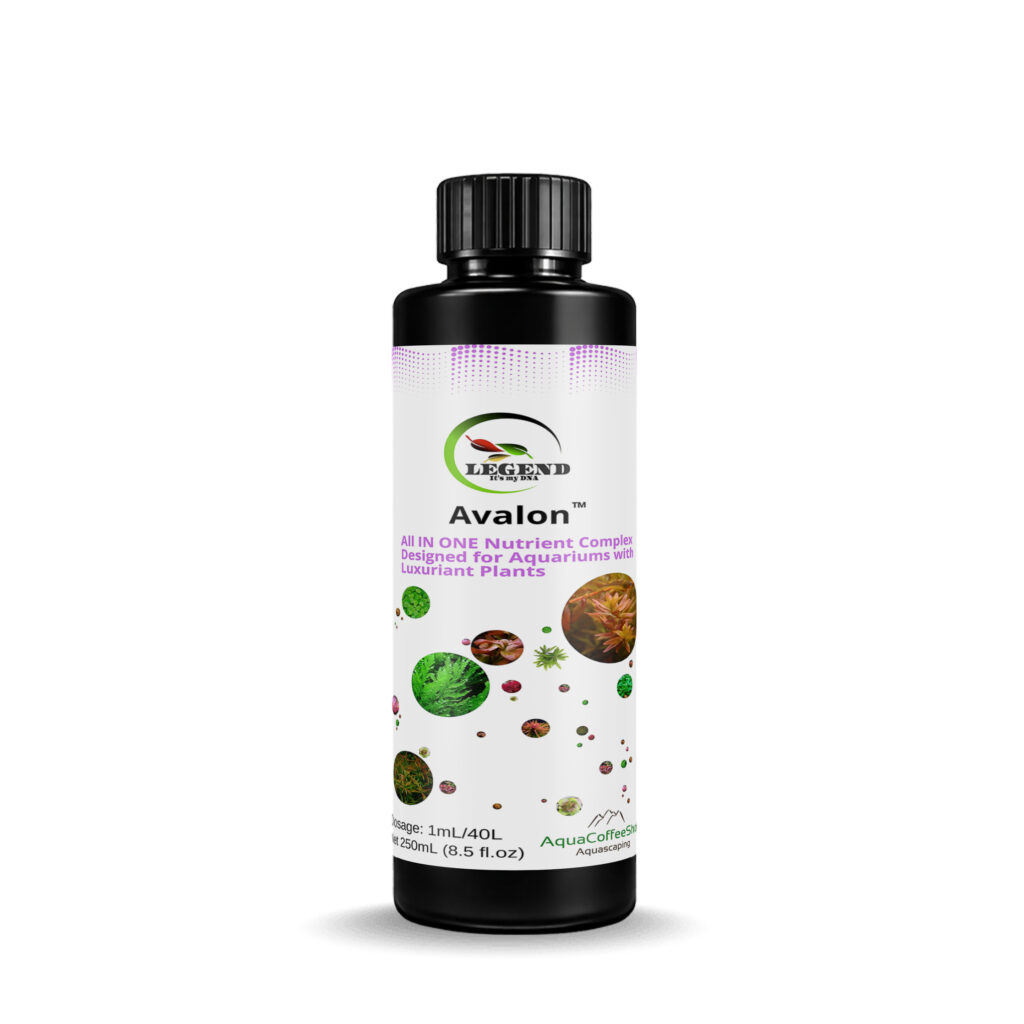
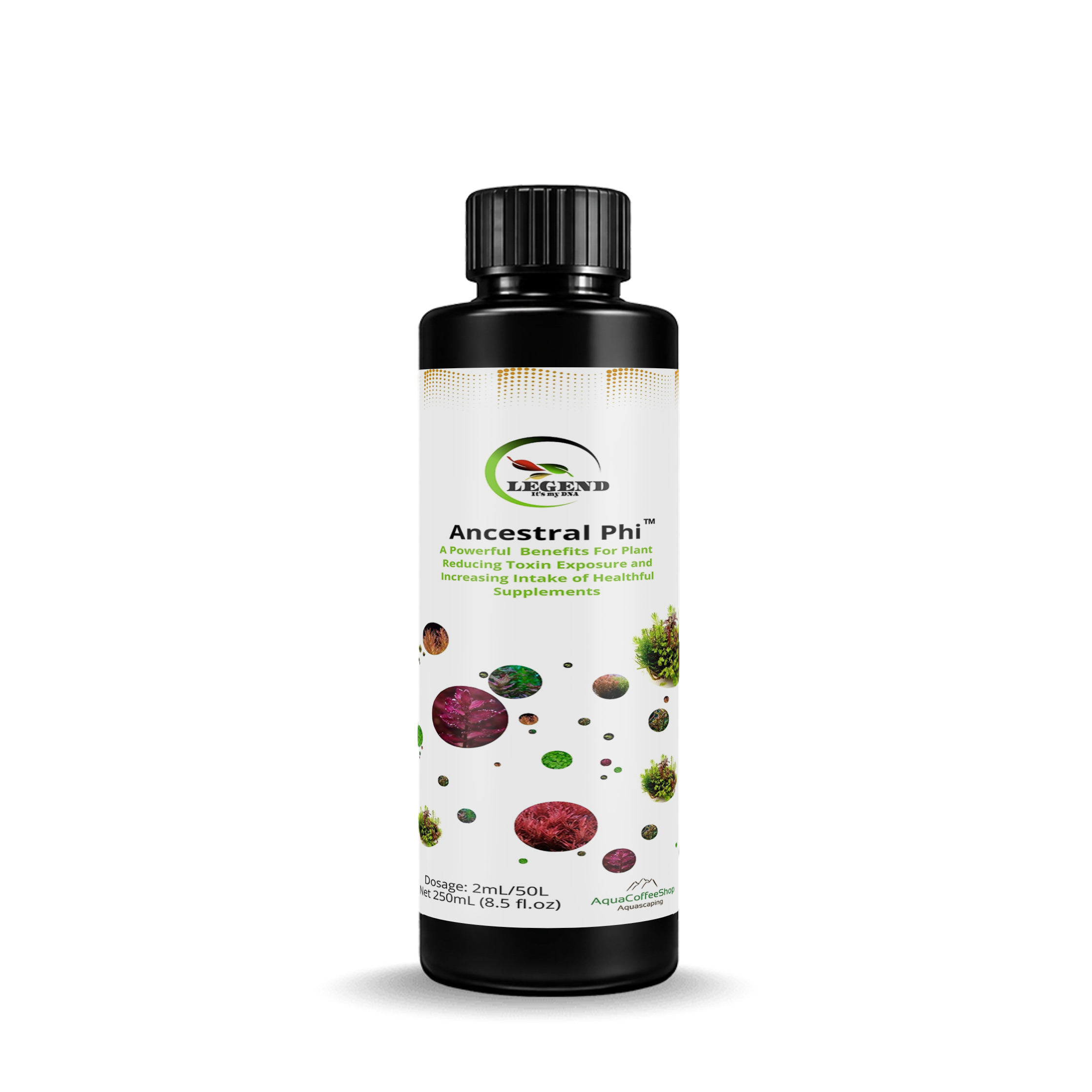
A complete product such as LGND Avalon or LGND Elysium keeps the basic supply balanced. To help plants cope with stress, for example after replanting or a change in conditions, LGND Ancestral Phi supports the plant’s own stress management.
See also our articles on macronutrients and micronutrients and their role in plant health.