

Overview
Legend CO2 Regulator Seal Washer™ is a precision replacement sealing washer designed to restore and maintain leak-free connections between CO2 cylinders and aquarium regulators. Manufactured from durable high-pressure sealing material, the washer forms a reliable gas-tight seal that helps prevent carbon dioxide leakage while ensuring stable regulator performance.
Over time, regulator seals can become compressed, hardened, worn, or damaged through repeated cylinder changes and prolonged exposure to pressure. Even minor deterioration may result in gradual CO2 leaks, pressure instability, increased gas consumption, or difficulty achieving a secure regulator connection. Replacing the sealing washer periodically is a simple and effective way to maintain the efficiency and safety of a pressurized CO2 system.
Designed specifically for aquarium CO2 applications, Legend CO2 Regulator Seal Washer™ provides consistent sealing performance under the pressures commonly encountered in compressed carbon dioxide cylinders. Suitable for routine maintenance, regulator servicing, and replacement of worn or damaged seals.
Pack: 3 pcs Seal Replacement
Directions
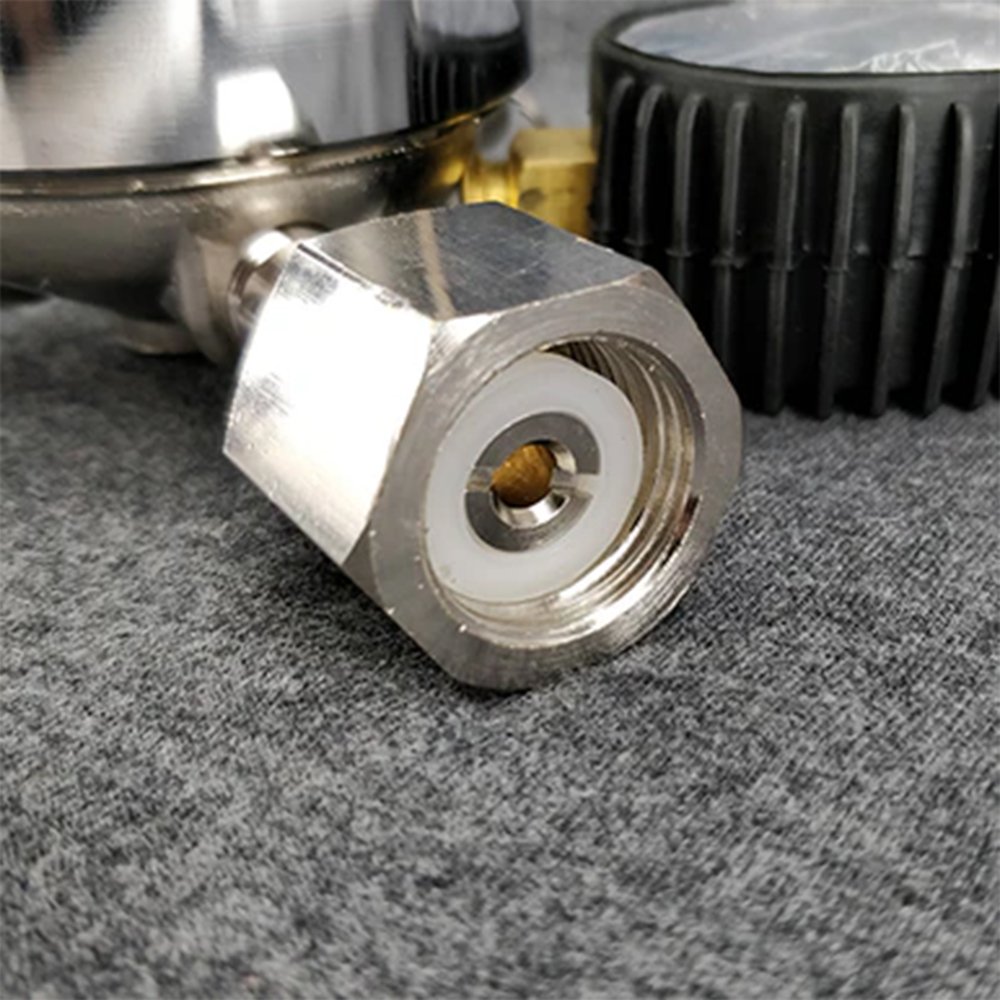
Before replacing the sealing washer, completely close the CO2 cylinder valve and release any residual pressure from the regulator. Remove the regulator from the cylinder and inspect the existing washer for signs of wear, cracking, flattening, deformation, or damage.
Remove the old washer and ensure that the sealing surface is clean and free from debris. Install the new sealing washer in the appropriate regulator connection recess, ensuring that it sits flat and evenly within the fitting.
Reconnect the regulator to the CO2 cylinder and tighten according to the regulator manufacturer's recommendations. Do not overtighten, as excessive force may damage the washer or regulator components.
Slowly open the cylinder valve and inspect the connection for leaks. If necessary, perform a leak test using a suitable leak-detection solution before placing the system into regular operation.
Replace the washer whenever signs of deterioration become visible or whenever a leak is suspected at the cylinder connection.
Technical Specifications
FAQ
Why does a regulator require a sealing washer?
The sealing washer creates an airtight connection between the CO2 cylinder and regulator. Without a properly functioning washer, carbon dioxide may escape from the connection point, reducing efficiency and potentially causing pressure instability.
How often should the washer be replaced?
Replacement frequency depends on usage, cylinder change intervals, and operating conditions. The washer should be inspected whenever a cylinder is changed and replaced whenever signs of wear or damage are observed.
What are the signs of a worn sealing washer?
Common indicators include visible cracking, flattening, hardening, deformation, gas leakage, unusual hissing sounds, or difficulty obtaining a secure seal during installation.
Can a damaged washer affect CO2 consumption?
Yes. Even small leaks may gradually release significant amounts of carbon dioxide over time, increasing cylinder consumption and reducing system efficiency.
Is it necessary to replace the washer after every cylinder change?
Not always. However, regular inspection is strongly recommended and replacement should be performed whenever there is uncertainty regarding the condition of the existing seal.
Can this washer be used on all regulators?
Compatibility depends on regulator design and connection standard. Always verify that the replacement washer matches the regulator specifications before installation.
Safety
For aquarium CO2 systems only. Keep out of reach of children. Always close the cylinder valve and fully depressurize the regulator before performing maintenance or replacing sealing components.
Never install a damaged, cracked, hardened, or deformed washer. A compromised seal may result in gas leakage and unstable system performance. Do not use oils, lubricants, sealants, adhesives, or chemical treatments on the washer unless specifically recommended by the regulator manufacturer.
After installation, always verify the integrity of the connection before leaving the system unattended. If a leak is detected, immediately close the cylinder valve and inspect all components before resuming operation. Use only compatible replacement washers intended for pressurized CO2 applications.