
Overview
CLEAR DESIGN. GENTLE AERATION.
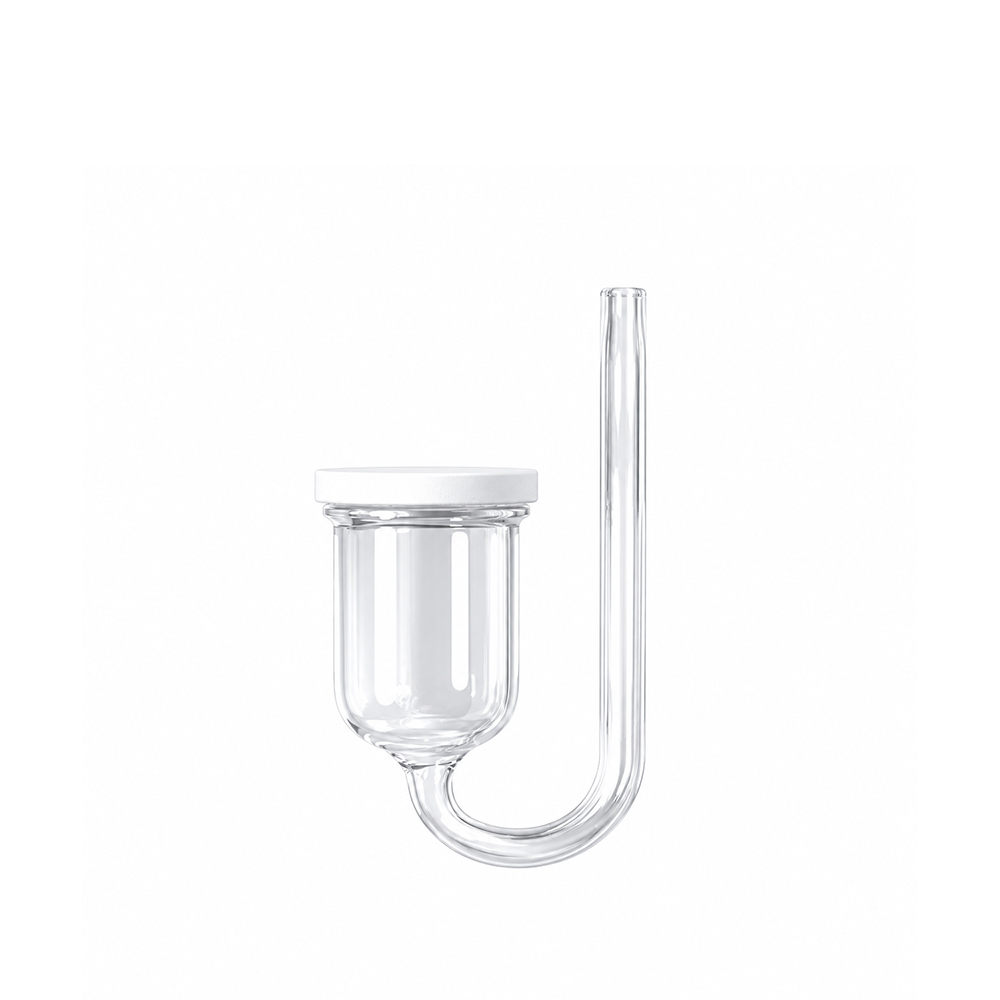
LGND Aeris™ Air Stone combines a transparent acrylic body with a white porous diffusion disc to deliver a steady stream of air bubbles. Its compact design blends discreetly into the aquarium, providing aeration without adding bulky equipment to the layout.
Connected to a suitable aquarium air pump, such as the LGND Aeris Mains Series, Aeris™ releases bubbles that encourage water movement and surface agitation. This supports gas exchange between the aquarium water and the surrounding air, helping maintain oxygen availability for fish, shrimp and other aquarium inhabitants.
The curved acrylic inlet creates a clean, compact profile, while the supplied suction cups keep the air stone securely positioned. An included air-control valve allows the airflow to be adjusted to suit your aquarium and the output of your air pump.
Available with a 25Ø or 35Ø diffusion disc, Aeris™ offers two sizes for different aquarium layouts and aeration requirements.
Directions
1. Prepare the Air Stone
Rinse Aeris™ with clean fresh water before installation. Fully submerge the air stone to wet the porous diffusion disc. Initial bubble distribution may become more even as the disc becomes thoroughly saturated.
Do not use soap, household detergents or hot water.
2. Connect the Airline
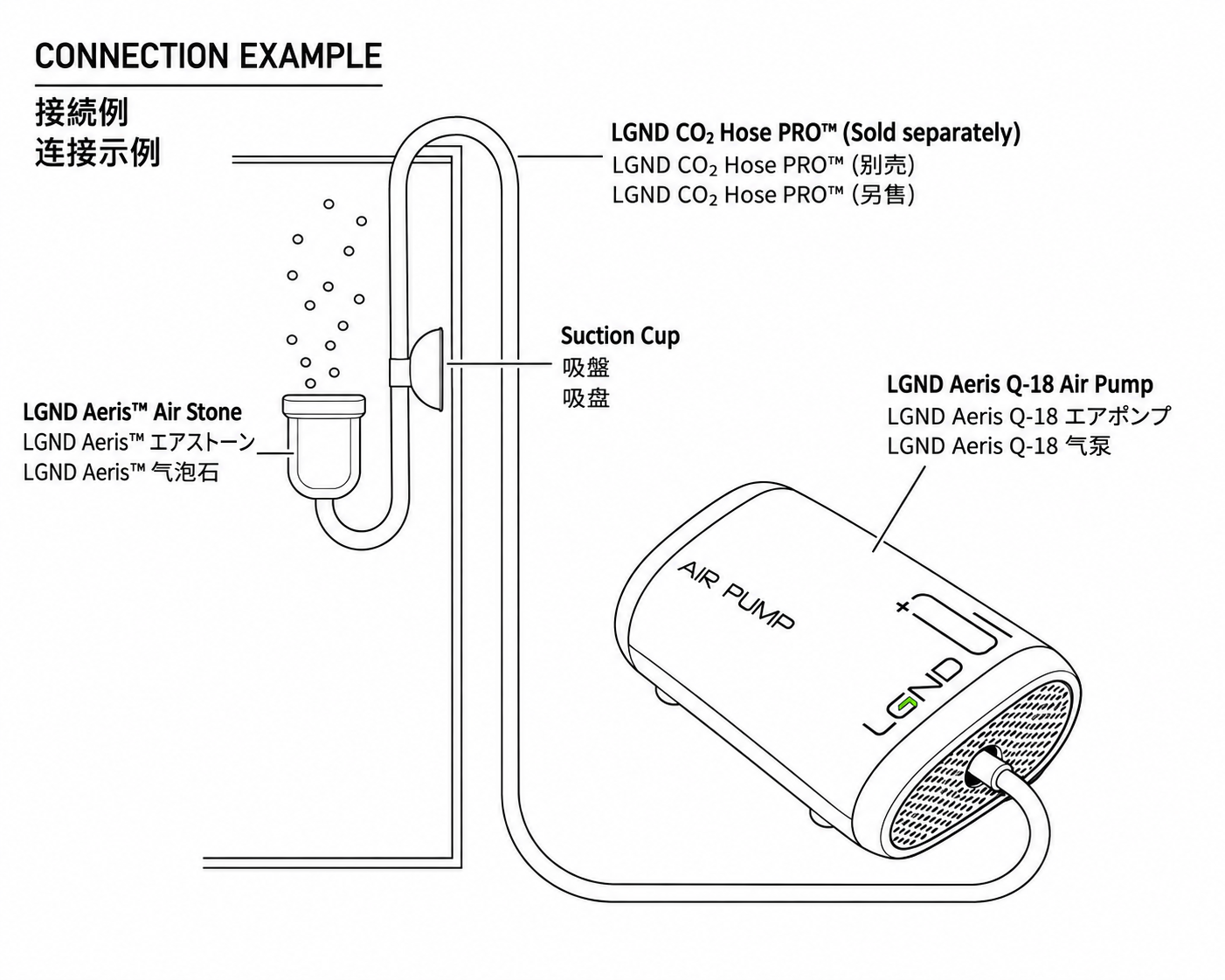
Connect airline tubing with a 4 mm internal diameter to the acrylic inlet. Standard 4/6 mm aquarium airline tubing is suitable.
Support the inlet close to the connection while gently fitting the tubing. Do not twist, bend or force the acrylic tube. If the airline is difficult to fit, soften its end in warm water before connecting it.
3. Install the Air-Control Valve
Fit the supplied air-control valve into the airline outside the aquarium, where it remains accessible for adjustment.
The air-control valve regulates airflow; it does not prevent water from flowing backwards. Install a separate aquarium check valve in the correct direction, particularly if the air pump is positioned below the aquarium water level. Follow the air pump manufacturer’s installation instructions.
4. Position Inside the Aquarium
Use the supplied suction cups to secure Aeris™ to a clean section of aquarium glass, with the diffusion disc facing upwards.
Choose a position where the rising bubbles can encourage circulation and reach the surface freely. Keep the disc clear of substrate, plants and other obstructions.
Greater installation depth increases the pressure required from the air pump.
5. Start and Adjust
Begin with the air-control valve open, then switch on the air pump. Adjust the airflow gradually until the desired bubble output is achieved.
Avoid closing the valve completely or restricting airflow beyond the air pump manufacturer’s recommendations. Observe aquarium inhabitants and reduce the output if the resulting water movement is excessive.
Technical Specification
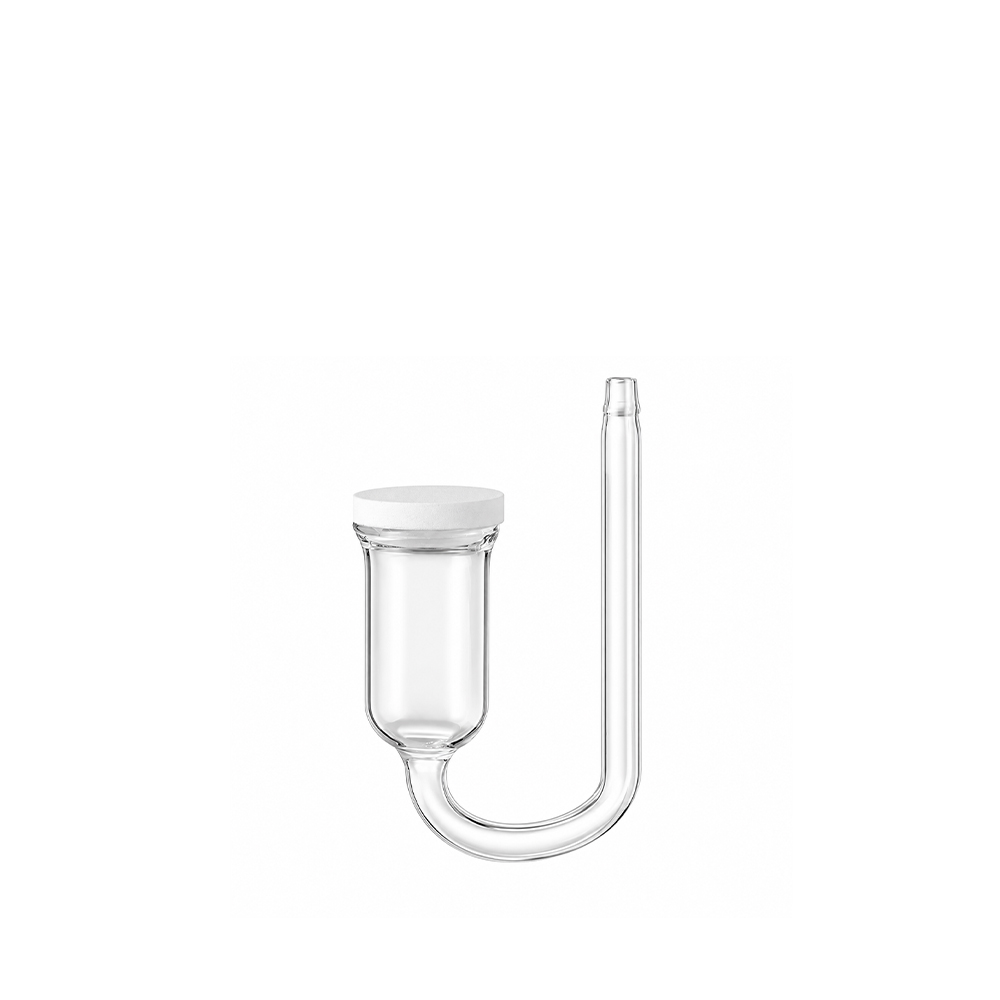
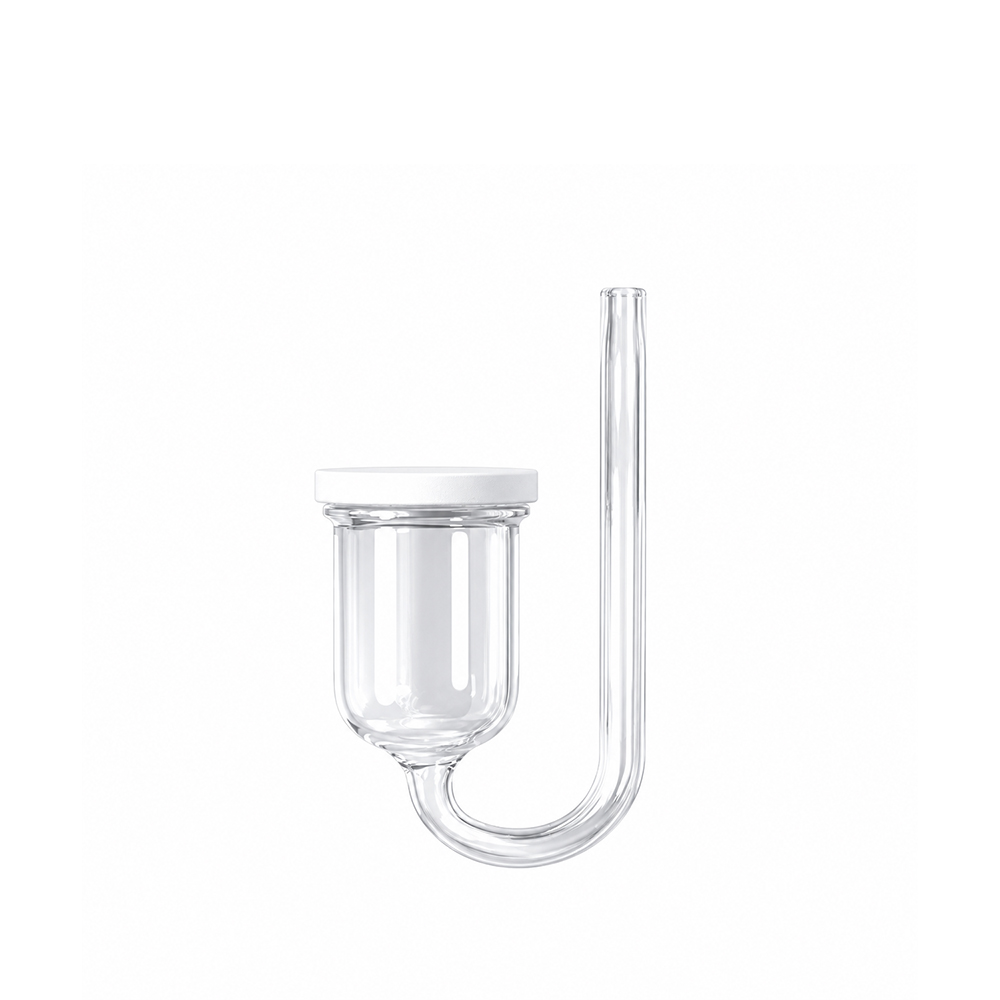
Dimensions are approximate. Bubble output depends on air pump performance, installation depth, airflow adjustment and the condition of the diffusion disc.
What’s Included
- LGND Aeris™ Acrylic Air Stone in the selected size
- Two suction cups
- One air-control valve
Air pump, airline tubing and check valve are required separately.
Cleaning
Over time, algae, biofilm and mineral deposits can restrict the porous disc, reducing airflow or causing uneven bubble distribution.
Switch off the air pump before removing Aeris™ from the aquarium. Release the suction cups gently and support the acrylic inlet when disconnecting the airline.
Rinse with clean fresh water. Wipe the acrylic body with a soft, non-abrasive cloth and gently clean the disc surface with a soft brush. Do not scrape the disc, insert objects into its pores or attempt to remove it.
Avoid alcohol, solvents, abrasive pads, boiling water and sudden temperature changes. If further cleaning is required, use only a cleaner specifically confirmed as compatible with both acrylic and the diffusion disc, following its instructions carefully.
Rinse thoroughly before returning the air stone to the aquarium.
FAQ
What does LGND Aeris™ do?
A: Aeris™ disperses air supplied by an aquarium air pump into bubbles. The rising bubbles encourage water movement and surface agitation, supporting gas exchange. The air stone does not generate oxygen itself.
Does it need an air pump?
A: Yes. Aeris™ requires a separate aquarium air pump connected through compatible airline tubing. Choose a pump capable of supplying sufficient airflow and pressure at your intended installation depth.
Which size should I choose?
A: Aeris™ 25 has a 25 mm diffusion disc, while Aeris™ 35 has a larger 35 mm disc. Choose according to the available space, desired aeration and the performance of your air pump.
Disc diameter alone does not determine a suitable aquarium volume.
Is the body made from glass?
A: No. Aeris™ has a transparent acrylic body. Acrylic is more resistant to accidental impacts than glass, but excessive force can still crack the body or damage the inlet.
Is the supplied valve a check valve?
A: No. The supplied valve adjusts airflow. A separate check valve helps prevent aquarium water from flowing backwards through the airline towards the air pump.
Why are bubbles coming from only part of the disc?
A: The disc may still be becoming saturated, the airflow may be insufficient, or deposits may be restricting some pores. Check the airline for kinks, confirm the pump is suitable for the installation depth and clean the disc when necessary.
Why has the bubble output decreased?
A: Possible causes include a dirty diffusion disc, restricted tubing, a partially closed valve or reduced air pump performance. Check each part of the air supply before increasing the output.
Can I use Aeris™ to diffuse CO₂?
A: Aeris™ is intended for air supplied by an aquarium air pump. Compatibility with pressurised CO₂ systems has not been established.
Can I use it in a planted aquarium with CO₂ injection?
A: Yes, but increased surface agitation can encourage dissolved CO₂ to escape. Adjust aeration timing and intensity to suit the aquarium’s oxygen needs and CO₂ routine.
Safety
- For aquarium aeration only. Read these instructions before use.
- Keep the product, small accessories and packaging out of reach of children. Plastic packaging presents a suffocation hazard.
- Handle the acrylic body and inlet carefully. Do not bend, twist or force the connection.