
Overview
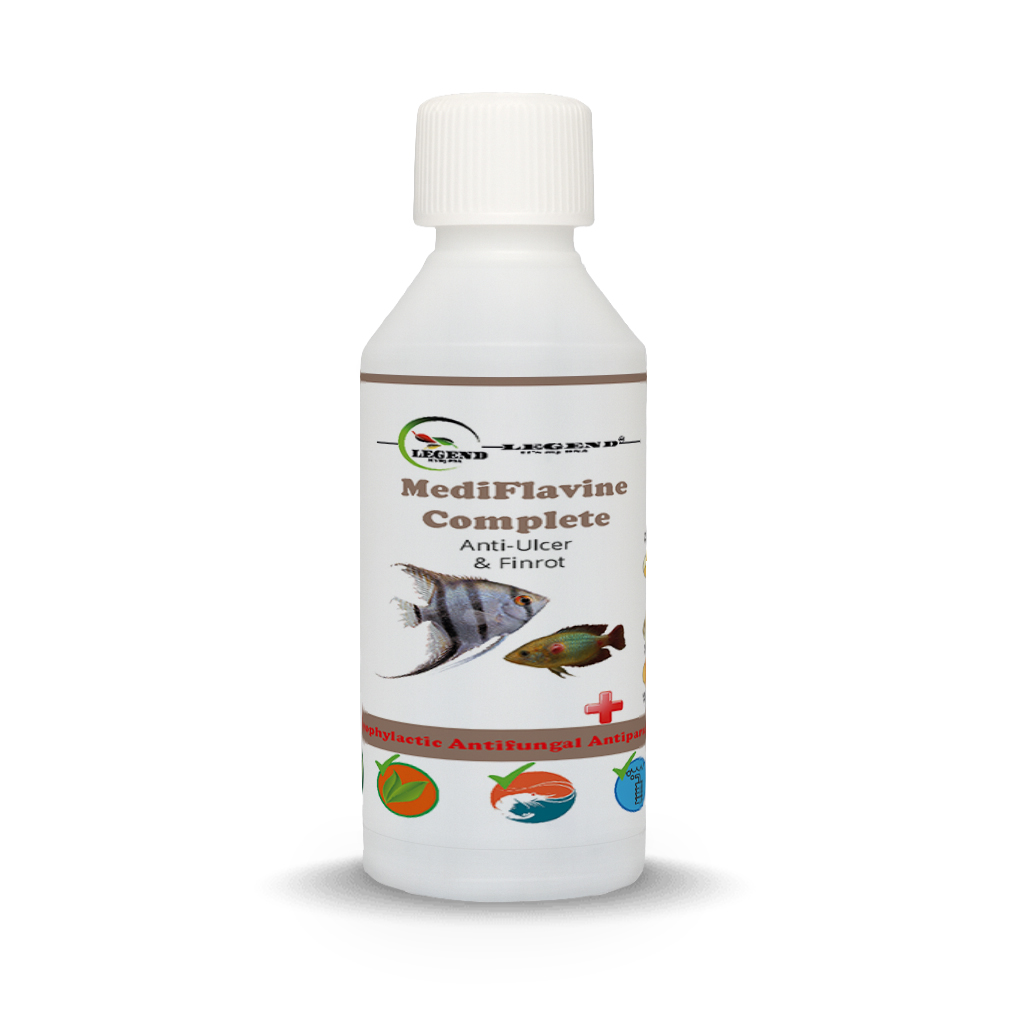
MediFlavine Complete™ is a broad-spectrum freshwater treatment formulated to support the management of bacterial, fungal, and certain external protozoan infections in ornamental fish. Using a carefully balanced acriflavine-based antiseptic system, the formula helps reduce bacterial populations on the skin, fins, and external tissues while supporting the natural healing process of damaged areas.
MediFlavine Complete™ is particularly useful when fish exhibit visible signs of external bacterial disease, including ulcers, open wounds, missing scales, fin erosion, mouth tissue damage, and localized redness. The treatment may also be used to help manage fungal infections affecting fish, eggs, and fry.
Unlike many aggressive antibacterial treatments, MediFlavine Complete™ remains gentle on biological filtration and can be used in both quarantine and hospital aquariums. The formula is suitable for freshwater tropical and coldwater species and may be used as part of a comprehensive disease management program that includes improved water quality, enhanced aeration, and stress reduction.
Early diagnosis and prompt treatment significantly improve recovery outcomes. Fish showing advanced symptoms should be isolated whenever possible to minimize stress and reduce transmission to healthy tankmates.
Indications
Bacterial Ulcers
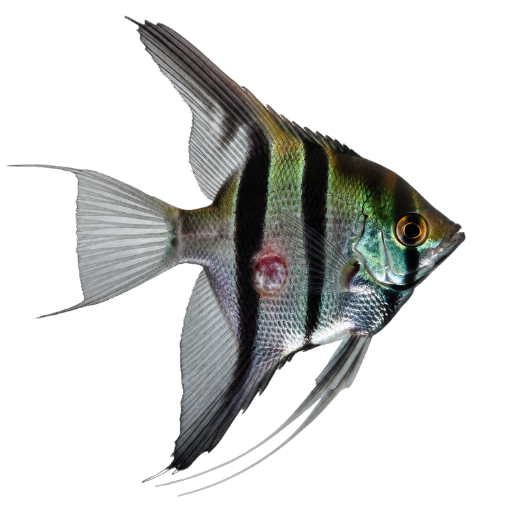
Ulcers typically appear as red, inflamed wounds on the body of the fish. As the infection progresses, scales may be lost and deeper tissue damage may become visible. Common bacterial pathogens associated with ulcers include Aeromonas and Pseudomonas species, which often take advantage of fish weakened by stress, poor water quality, injury, or parasite infestations.
Affected fish may become lethargic, lose appetite, isolate themselves from other fish, or develop visible red sores on the flanks, abdomen, or near the base of the fins.
Suggested Treatment Period
Treat daily for 5 consecutive days using the standard aquarium dosage. In severe cases, treatment may be extended up to 7 days while carefully monitoring fish behavior and water quality.
Special Considerations
Successful ulcer treatment depends heavily on maintaining excellent water quality throughout the treatment period. Elevated ammonia, nitrite, or organic waste levels can significantly slow tissue healing and increase the risk of secondary infections. Visible improvement often begins with reduced redness around the affected area, followed by gradual tissue regeneration. Deep ulcers may require several weeks to fully heal even after the infection has been controlled.
Fin Rot
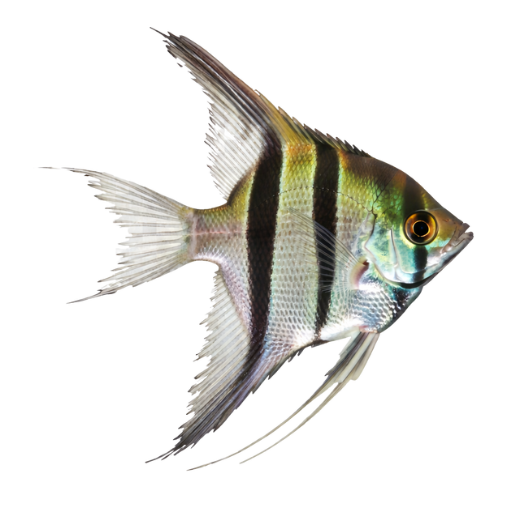
Fin rot is one of the most common bacterial diseases encountered in freshwater aquariums. The condition typically begins at the edges of the fins, causing fraying, whitening, erosion, or tissue loss. If left untreated, the infection may progress toward the body and eventually become life-threatening.
The disease is commonly associated with opportunistic bacteria such as Aeromonas, Pseudomonas, and Flavobacterium species. Stress, poor water conditions, overcrowding, transport damage, and aggression between fish often contribute to outbreaks.
Affected fish may display ragged fins, white or opaque fin margins, red streaking, split fins, or progressive loss of fin tissue.
Suggested Treatment Period
Treat daily for 5 days using the standard aquarium dosage. More advanced infections may require up to 7 days of continuous treatment.
Special Considerations
Fin regeneration takes longer than elimination of the infection itself. Even after bacterial activity has been controlled, damaged fins may require several weeks to regrow. Maintaining stable water parameters and minimizing stress are essential during recovery. If fin deterioration continues despite treatment, investigate underlying water quality problems or the presence of secondary pathogens.
Directions
Shake the bottle thoroughly before use before each dose.
For general treatment of bacterial, fungal, and external infections, add 1 mL per 20–40 litres of aquarium water once daily. Mix the required amount of treatment with approximately one litre of aquarium water before slowly distributing it around the aquarium. Continue treatment for 3–5 consecutive days depending on severity.
During treatment, remove activated carbon, resins, and other chemical filtration media that may adsorb the medication. UV sterilizers and ozone units should be switched off until treatment has been completed.
Provide strong aeration throughout the treatment period, as sick fish frequently experience increased respiratory stress.
For localized ulcers, fungal patches, or stubborn external infections, a short bath may be used. Prepare a treatment bath using 10 mL of MediFlavine Complete™ per litre of water. Place the fish in the solution for 30 minutes with vigorous aeration. Repeat every other day if necessary, for a maximum of three treatments.
Following completion of treatment, perform a partial water change and resume normal filtration. Activated carbon may be used to remove residual medication and water discoloration.
FAQ
Can MediFlavine Complete™ be used with fry and fish eggs?
Yes. Acriflavine-based treatments have long been used to help protect fish eggs and fry from fungal infections. Reduced dosages may be advisable for particularly delicate species.
Will the treatment affect beneficial filter bacteria?
When used as directed, MediFlavine Complete™ is generally well tolerated by biological filtration and should not significantly impact nitrifying bacteria.
Why has my aquarium water turned yellow?
This is normal. Acriflavine naturally colours the water yellow during treatment. The coloration will gradually fade and can be removed more quickly through water changes and activated carbon after treatment.
Can I use MediFlavine Complete™ together with other medications?
Combining medications is generally not recommended unless compatibility is known. When changing treatments, perform a substantial water change and use activated carbon to remove residual medication.
How quickly should I expect improvement?
External wounds and fin damage often stop progressing within several days. Complete tissue recovery may require considerably longer depending on the severity of the infection.
Is MediFlavine Complete™ suitable for quarantine aquariums?
Yes. A quarantine or hospital aquarium is often the preferred environment for treatment because medication concentration, observation, and water quality are easier to control.
Safety
For aquarium use only. Keep out of reach of children and pets. Avoid contact with eyes, skin, furniture, fabrics, and clothing, as the treatment may cause temporary staining. Wash hands thoroughly after use. Do not ingest. This product is intended for freshwater ornamental fish only.
Remove activated carbon, adsorption resins, UV sterilizers, and ozone systems during treatment. Ensure adequate aeration throughout treatment.
Store tightly closed in a cool, dry location away from direct sunlight. The treatment will temporarily colour aquarium water yellow. Wait until the colour has substantially faded, or at least five days have passed, before performing routine water changes unless an emergency water change is required.